
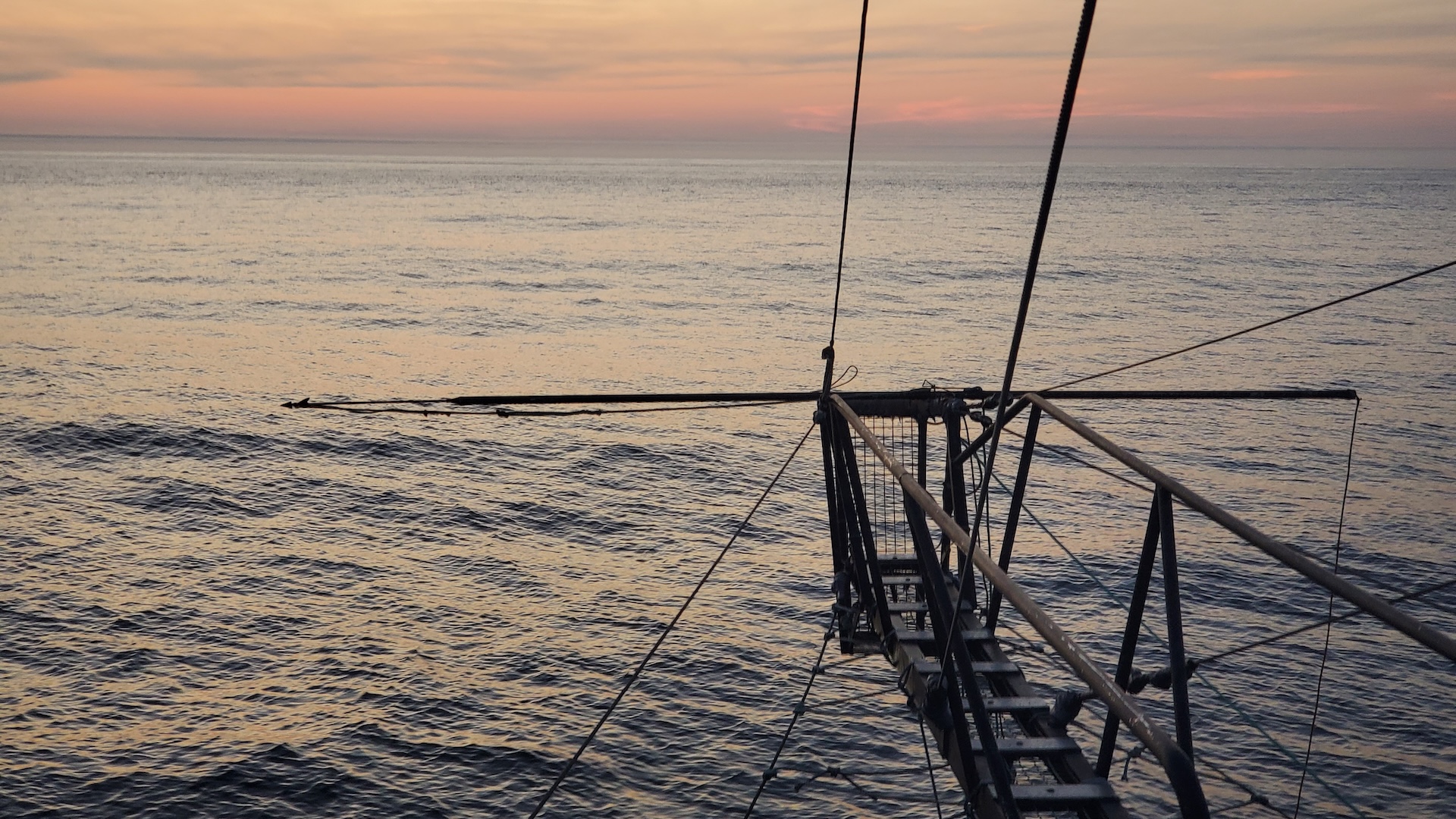
In this SAFET blog series, we spotlight the organizations behind the global technology success stories highlighted in our Sea Tech in Motion project map. We recently connected with Holly Isnor, fisheries program manager at the Ecology Action Centre, to discuss how electronic video monitoring is enabling a culturally significant fishery to continue its commitment to keeping sustainably fished swordfish on the market while supporting coastal livelihoods.
SAFET: For over a century, swordfish in Atlantic Canada have been harvested by harpoon. What makes this moment of adaptation — adding rod and reel with electronic monitoring — so significant for the future of this fleet?
Holly Isnor: Fishing for swordfish using handheld harpoon is a selective fishing method with no catch of non-target species. The selective nature of the gear type means that fishers must be able to see, from the fishing vessel, swordfish basking at the surface. Changing ocean conditions have led to unpredictability and reduced catches for this storied fleet — fish are not reliably found where and when they used to be.
We are in a pivotal moment where adaptation is needed to ensure those in the fishery can keep their businesses running profitably. The fleet proposed the idea of trying rod-and-reel to help access their quota. Rod-and-reel is still very selective, but giving fishers a second means of harvest when conditions for harpooning are not ideal means making the long trip out to their fishing grounds more likely to turn a profit.
This initiative showcases the proactive thinking of this fleet and their commitment to keeping a sustainably fished option on the market and a culturally significant fishery alive and thriving. The Ecology Action Centre has been working with this fleet for over a decade in various ways, including directly supporting testing of this rod-and-reel gear alongside an electronic video monitoring system since 2021.
SAFET: How does electronic monitoring help address pressures that are largely outside fishers’ control?
Holly Isnor: By adding electronic video monitoring to the project, we gain the ability to verify fishing activity using the rod-and-reel gear. This footage helps us answer key questions to assess whether making this gear type permanent for this fleet is truly feasible. The extra oversight provides transparency while building confidence in both the project and the overall selectivity of the gear. Furthermore, this data can be easily shared back with decision-makers and managers to showcase fishing activity and project progress.
SAFET: This is a deeply generational fishery rooted in skill and tradition. How are fishers and the broader community viewing the role of technology in keeping it viable?
Holly Isnor: A couple of years back we did a series of community surveys and found broad support for this work among fishers and community members. In particular we explored the possibility of commercial swordfish harpoon fishers offering charter fishing opportunities in the future as a means of adding a revenue stream to their businesses.
In Nova Scotia, many rural coastal communities rely heavily on both fishing and tourism. Bridging these two industries — as has been done in other parts of the world — does more than just showcase our communities and clean, sustainable fisheries. It also delivers a powerful economic boost to fishers, tourism operators, and the wider community alike.
In this particular case, electronic monitoring adds value first by verifying our rod-and-reel data. This verification allows us to assess risk and answer key success questions before making the gear type permanent or adding a charter component. Additionally, this setup serves as a simple, effective, and low-cost model, proving to others in our region that adopting this technology is entirely possible.
SAFET: Looking ahead, what role do you see electronic monitoring playing in long-term sustainability and resilience?
Holly Isnor: Comprehensive observer coverage — utilizing both human observers and electronic monitoring systems — is widely recognized as critical for transparent fisheries management. This combined oversight captures independent data on fishing activities, ensures robust information for stock assessments, and helps design effective bycatch mitigation strategies.
Our ability to make informed management decisions to utilize our resources sustainably is what the long-term sustainability of our ocean and the prosperity of our global fisheries rely on. With our ocean changing, capturing sound, verifiable fishing data to inform those decisions is even more important.
Looking ahead, electronic video monitoring will be an increasingly important tool for fisheries management. Combining electronic monitoring with at-sea observers allows us to capture a wider range of information than using only one or the other, ultimately increasing the capacity of our monitoring systems overall.
image credit: Sebastiàn Pardo