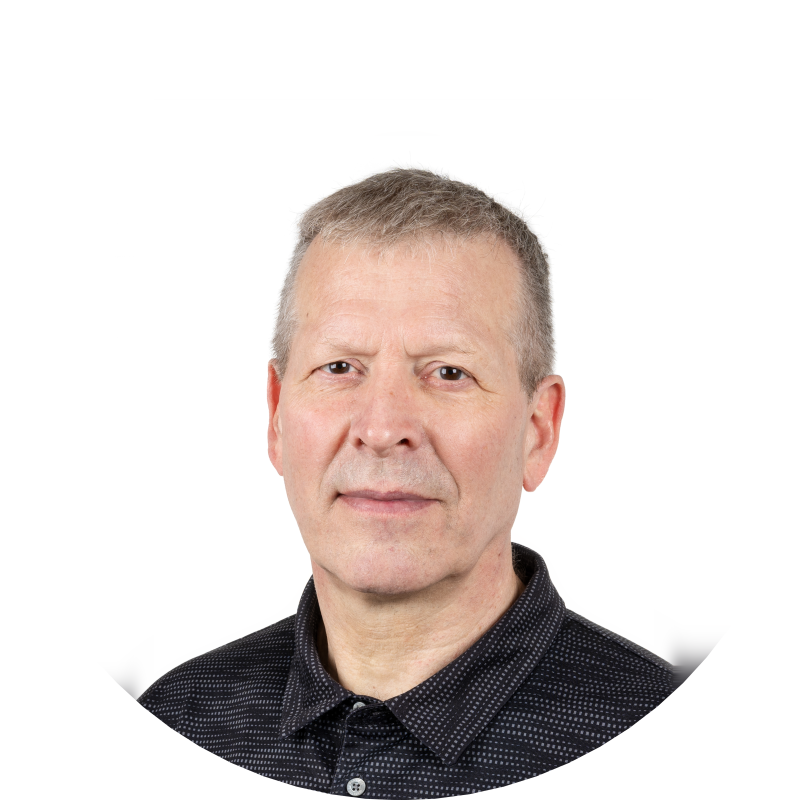
Kolbeinn Gunnarsson – biography
Current role: Director of Trackwell Maritime
Kolbeinn Gunnarsson is a fisheries technology professional with extensive experience in vessel monitoring systems (VMS), electronic reporting, and fisheries compliance solutions. He works closely with fisheries authorities and regional fisheries management organisations to improve monitoring, control, and surveillance through innovative technology. His expertise includes fisheries data analytics, vessel tracking, electronic logbooks, FLUX integration, and the application of AI to fisheries management. Kolbeinn is passionate about helping governments and organisations use technology to strengthen sustainable fisheries and improve regulatory compliance.
Longer version
For more than three decades, Kolbeinn has been involved in the evolution of fisheries management and maritime monitoring systems, contributing to successive generations of digital infrastructure supporting regulatory and operational oversight globally. Since the late 1990s, he has worked on the development and deployment of early Vessel Monitoring Systems (VMS), including some of the first VMS implementations for safety at sea and fisheries oversight. This work evolved into integrated VMS+ERS solutions and later into web-based monitoring platforms as fisheries administration became increasingly structured and data-driven. Over time, the focus expanded toward interoperability and data exchange standards. He was involved in the development and implementation of the NAF standard for fisheries information and in the early operational deployment of FLUX (Fisheries Language for Universal Exchange). These initiatives supported the transition toward standardized digital reporting frameworks across regional fisheries management organizations, national fisheries authorities, and maritime enforcement agencies. Throughout his carrier, he has worked alongside regulatory institutions and technical stakeholders to align monitoring systems with diverse national frameworks while ensuring architectural integrity, data consistency, and interoperability across jurisdictions. The modernization of fisheries administration has been a gradual and collaborative process. He has had the opportunity to contribute to this transition from early digital reporting systems to structured, interoperable fisheries management ecosystems supporting contemporary governance.
Role: Participant, Presenter
Sessions
- Day 1 — Open Table: Technology and Innovation Showcase Speakers
- Day 1 — Technology and Innovation Showcase